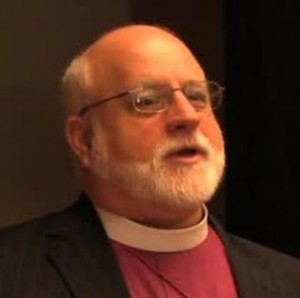
“Historic” second Interim Shared Eucharist
The Office of Public Affairs for the Episcopal Church has issued a press release announcing the celebration of the second Interim Shared Eucharist between the

The Office of Public Affairs for the Episcopal Church has issued a press release announcing the celebration of the second Interim Shared Eucharist between the
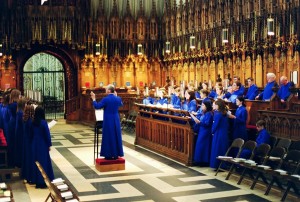
John Bingham, Social Affairs Editor, writes about a study involving 10,000 British children and 250 teachers, conducted by the Jubilee Centre. From the Telegraph article:
St Hilda’s House, an intentional community and Episcopal Service Corps site has published a collection of ten of the best essays from their blog.

What color did early Israelites see when they looked up at the sky?
As the Church of England grapples with sharp divides over human sexuality, one group is launching an essay series to look at what ‘Good Disagreement’ might look like, how it might hold the church together, and what’s limits may be.

The things we choose to indelibly etch on our skin are unique, but carry a commonality in that they often represent the things in our lives that really matter. My tattoos remind me of what’s important to me–my relationship with God–and declare the Good News in a way words just can’t manage.
The Gafcon leadership continues to use the church season to issue letters blasting The Episcopal Church and the Archbishop of Canterbury.
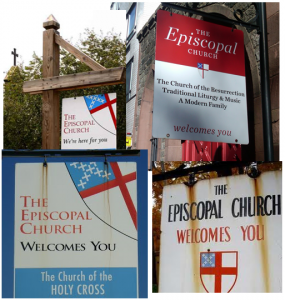
There will always be an organized church of some form. So while our gatherings might shift and look different than they do today, Christians will always gather together to do more than we ever could on our own.

In October 2011, Professor Moltmann, in Atlanta to lecture at Emory, asked Professor McBride if he could visit Ms. Gissendaner in prison. His visit coincided with a graduation ceremony for the 10 or so theology students at the prison, and he agreed to give a commencement address.
The Episcopal Church in its local, lived expression is very good at stifling new ideas and suffocating relational groupings if it appears that such movements will threaten the establishment. Creating these checks-and-balances between Vestry and Parish Council, then, will lead both groups to become partners in the work of ministry, one paying greater attention to relational matters, the other to those more functional (and necessary) concerns of what it means to be church.