
Dakota hymn sing helps keep language alive
The South Dakota Capital Journal reports on a monthly hymn sing that helps keep Dakota language alive: …recently, for Native Americans who grew up speaking and

The South Dakota Capital Journal reports on a monthly hymn sing that helps keep Dakota language alive: …recently, for Native Americans who grew up speaking and
Greg, Holly, and Kyle discuss the appeal of Disney princess movies and what they can teach our churches about effective storytelling.
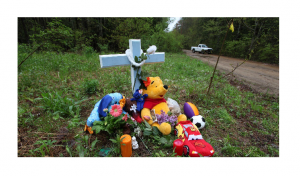
white crosses with a name and date set up on the shoulder of a busy highway, elaborate front yard arrangements of candles and stuffed animals, urban sidewalks dotted with candles and liquor bottles; these places, tributes to local death, are holy ground. But what do they mean, to those who pass by and to those who construct them? And what might the church learn from these interactive memorials?
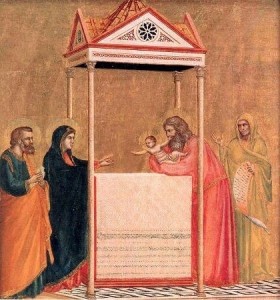
Richard Beck thinks about how the need to define our beliefs as both holy and pure is not limited to evangelicalism but shows up among progressives as well.
Once upon a time, the baseline for American religious life was white and Protestant. Today things are more complex.

StoryCorps on NPR shared a conversation between Yusor Abu-Salha, one of the students killed in Tuesday’s shooting in Chapel Hill, N.C., and her former third grade teacher, Mussarut
Should churches should be eligible for county historic preservation grants? A lively debate before the Morris County council, known as freeholders, focused on the place of

The story goes like this: A prayerful quarterback is rewarded by God with a winning pass. Or, God will favor the faithful athlete with “good health

please don’t say you’re going to be active members after the wedding if you truly haven’t made that commitment. My experience is that if you aren’t active for at least a year before the wedding, you likely won’t be active after the wedding – although I know there are exceptions. I’d rather you be honest.
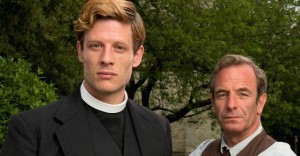
Based on the novel “Sidney Chambers and the Shadow of Death,” by James Runcie, who based the character, in part, on his late father, Lord Runcie, the archbishop of Canterbury in the 1980s.