EPPN blogs address poverty in Lenten series
The Episcopal Public Policy Network is addressing domestic and worldwide poverty, publishing blogs each Wednesday during Lent. Today’s post, “Engaging Poverty Through Housing,” explores the

The Episcopal Public Policy Network is addressing domestic and worldwide poverty, publishing blogs each Wednesday during Lent. Today’s post, “Engaging Poverty Through Housing,” explores the

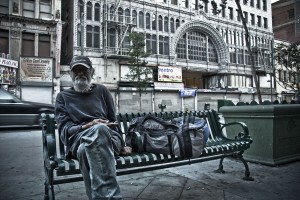
I would advise people to be aware of their environment, to use your gut instinct and to give as little or as much as you like. There’s nothing remotely fun about living in poverty and having to beg for money. The idea that people panhandling are somehow are making out like bandits is an urban myth.
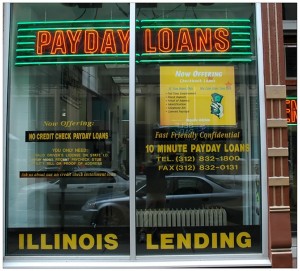
Washington Post examines the Reddit thread (What do insanely poor people buy, that ordinary people know nothing about?) on why people who are poor can’t “pull themselves
Some folks don’t want kids reading reality-based portrayals of poverty and class: More worrying, however, is the recent rise in efforts to get books banned
In Eugene, Oregon, local faith groups, religious leaders, and volunteers have created Opportunity Village, a community of small houses for the unsheltered homeless.
Kristen Welch at the We Are that Family blog writes: Somehow collecting clothes for immigrants has become the perfect opportunity to get rid of stuff
Danielle Kurtzleben of Vox writes: [D]uring the downturn and recovery, the poorest Americans upped their charitable giving. Meanwhile, the highest-income people gave less and less,
The World Health Organization says that more than 2 billion people have gained access to an improved source of drinking water since 1990.
1 in 5 kids live in households that have trouble buying enough food. Find out more about these children:
If you have eyes, and an internet connection, then you’ve seen a video recording of someone getting ice water dumped over their heads in the